 CYGURU
In photographs 1 Photograph
Documented photographs from different dates. Open an image to browse the gallery and its original source.
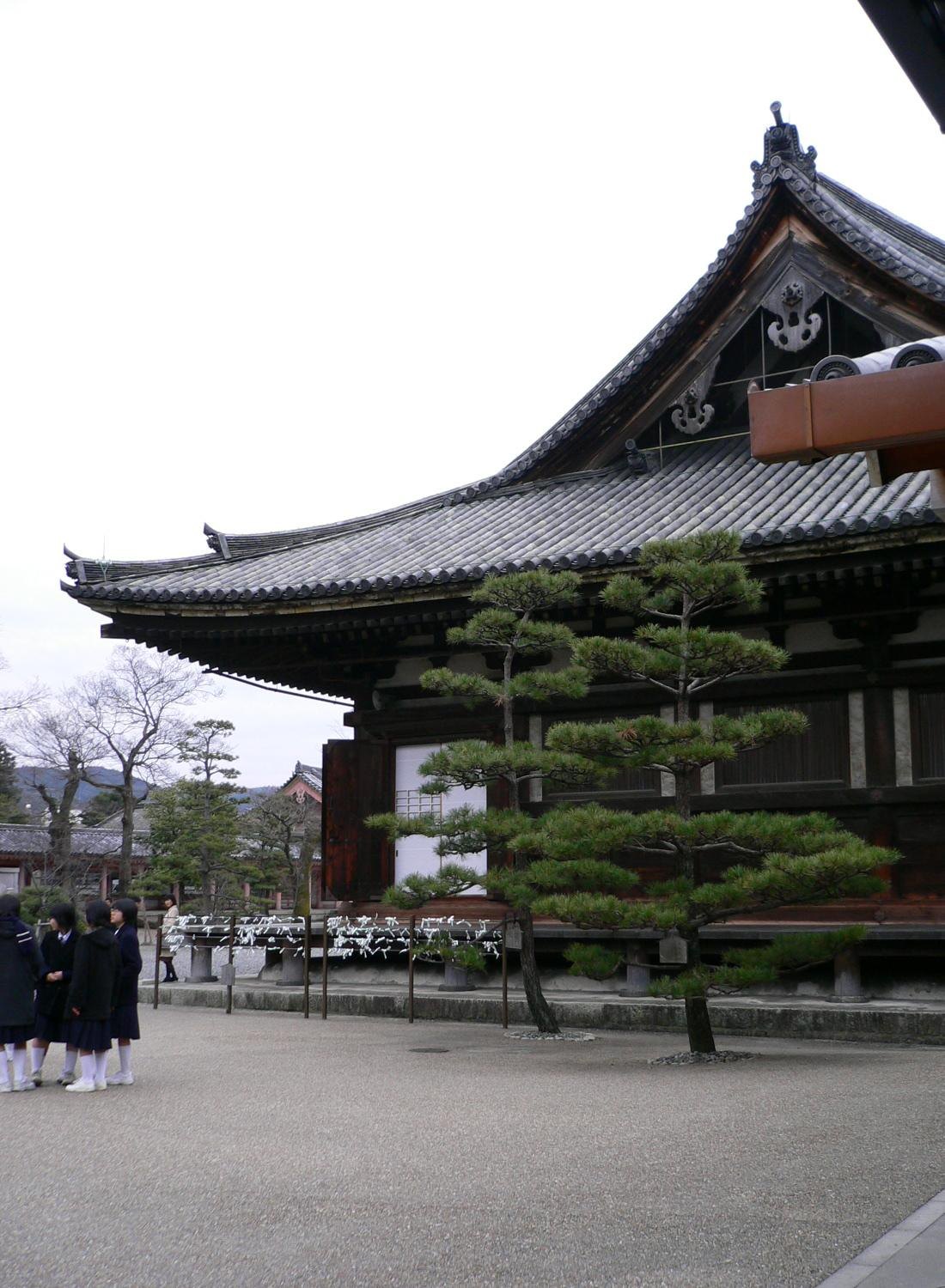 Enlarge photo ↗

In this guide · 6 sections
Understand the assembly of Kannon
Sanjūsangen-dō is known for its 1,001 images of Kannon. A large seated figure stands at the centre, with five hundred standing figures on either side. The arrangement creates both a powerful collective impression and opportunities to notice individual differences.
Kannon represents compassion in Mahayana Buddhism. Read the temple’s interpretation before walking the hall so that the repeated forms become more than a visual pattern.
Give the hall your attention
Let the hall be the main reason for the visit. Move at a considerate pace, keeping routes clear and allowing other visitors time to look. A temple interior is also a religious setting, not a staged photography space.
Follow current staff instructions on photography, footwear and conduct. If a rule is unclear, ask before taking pictures rather than interpreting an exterior photograph as permission for the interior.
Check the grounds and access
The temple provides visitor and barrier-free information, alongside details of its garden. Consult that information for the actual arrival route and any assistance needed by your party.
Do not assume that access to a garden path establishes the conditions throughout the hall. Seasonal hours and visitor arrangements should be checked with the temple before making a tight onward booking.
Pair thoughtfully with the museum
Kyoto National Museum is a practical second cultural candidate in the same wider Shichijo area. Check its programme first: some dates offer exhibitions, while others may have garden-only access or gallery closures.
Leave a meal and a rest between two intensive visits. Save both separately in My Trip so that a museum closure can change the second half of the day without displacing the temple.
Plan the actual visit
Check opening, admission, access needs and the correct entrance with the official visitor source. Historical photographs do not establish current conditions.
Visitor information ↗Find on a map ↗