 CYGURU
Find your bearings
City reference point; not an attraction entrance. Map tiles © OpenStreetMap contributors.
Open the destination map ↗Explore Kyoto
Browse six places at a time. Choose a destination or use the filters to narrow your selection.
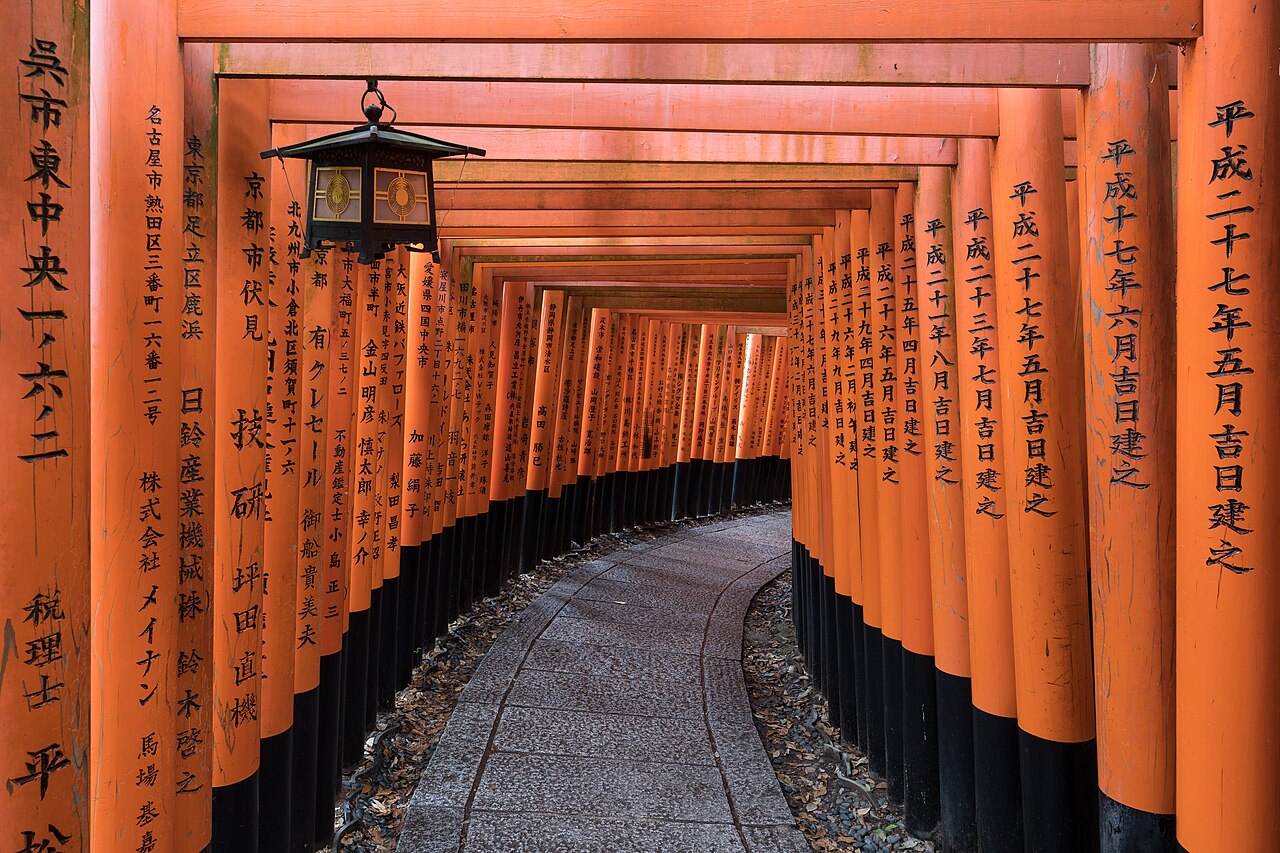 Basile Morin · Source · CC BY-SA 4.0
Fushimi Inari Taisha
Choose a respectful shrine visit and a suitable section of the torii-lined paths. A short precinct visit and a longer hillside route are different commitments.
Explore this place ↗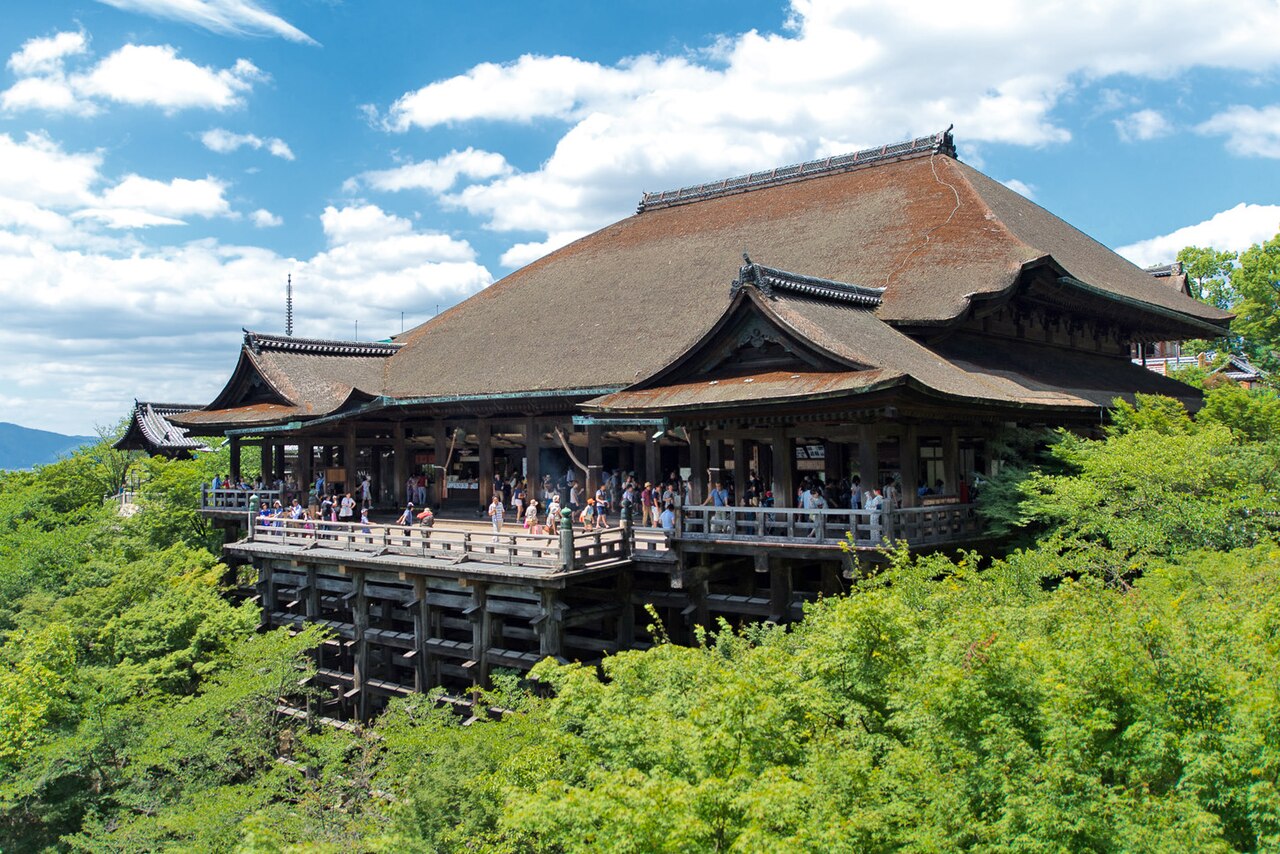 Jordy Meow · Source · CC BY-SA 3.0
Kiyomizu-dera
Explore an eastern Kyoto temple setting with time for the approach, main visitor route and respectful interpretation. Special evening programmes require separate calendar checks.
Explore this place ↗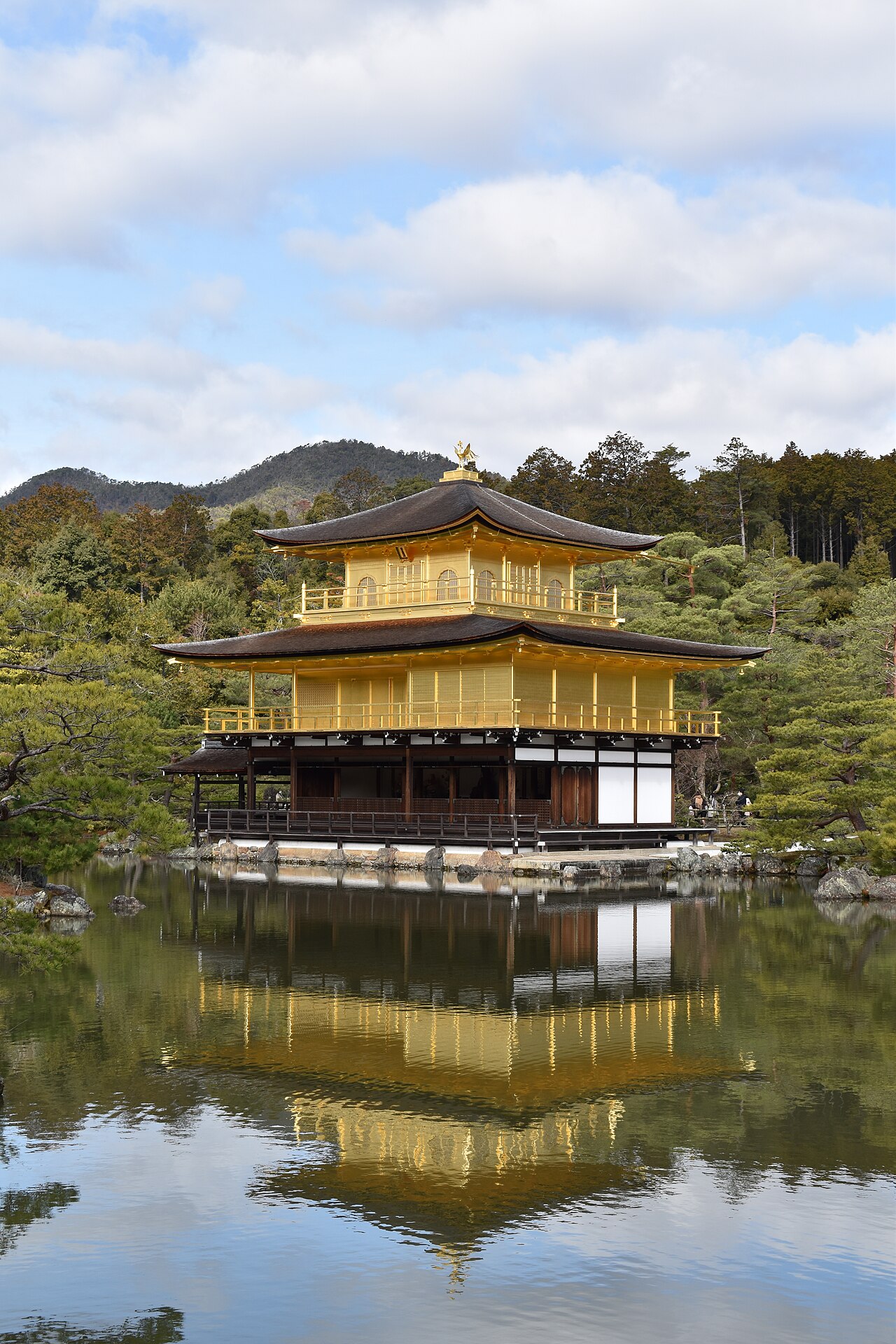 Nacaru · Source · CC BY-SA 4.0
Kinkaku-ji — Golden Pavilion
See the Golden Pavilion in its garden setting, using the current visitor route and access guidance. A landscape visit is different from access inside the pavilion.
Explore this place ↗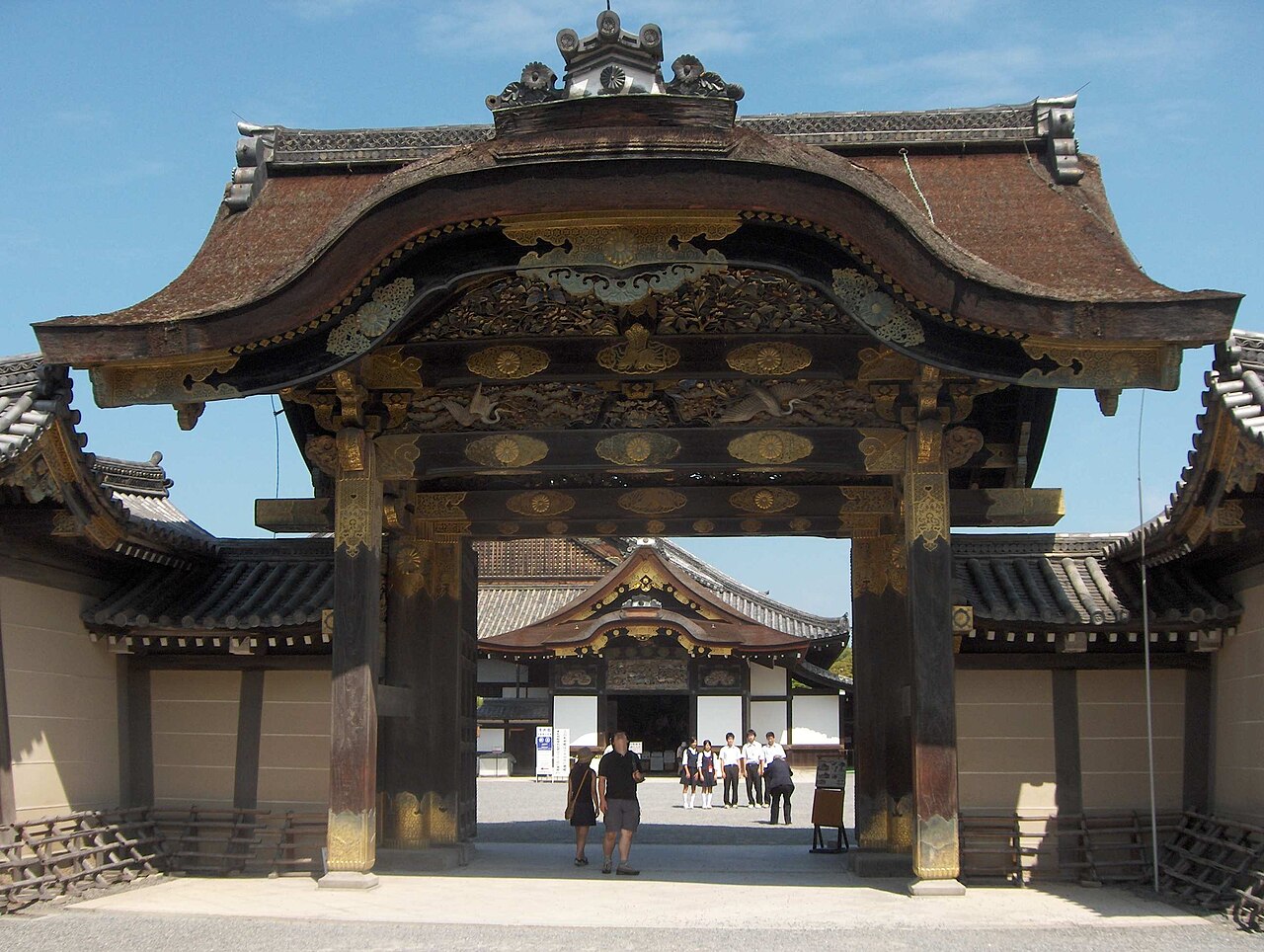 See source attribution · Source · Public domain
Nijō Castle
Plan the castle grounds and chosen palace separately. Ninomaru and Honmaru admission are different decisions, and Honmaru requires an advance reservation.
Explore this place ↗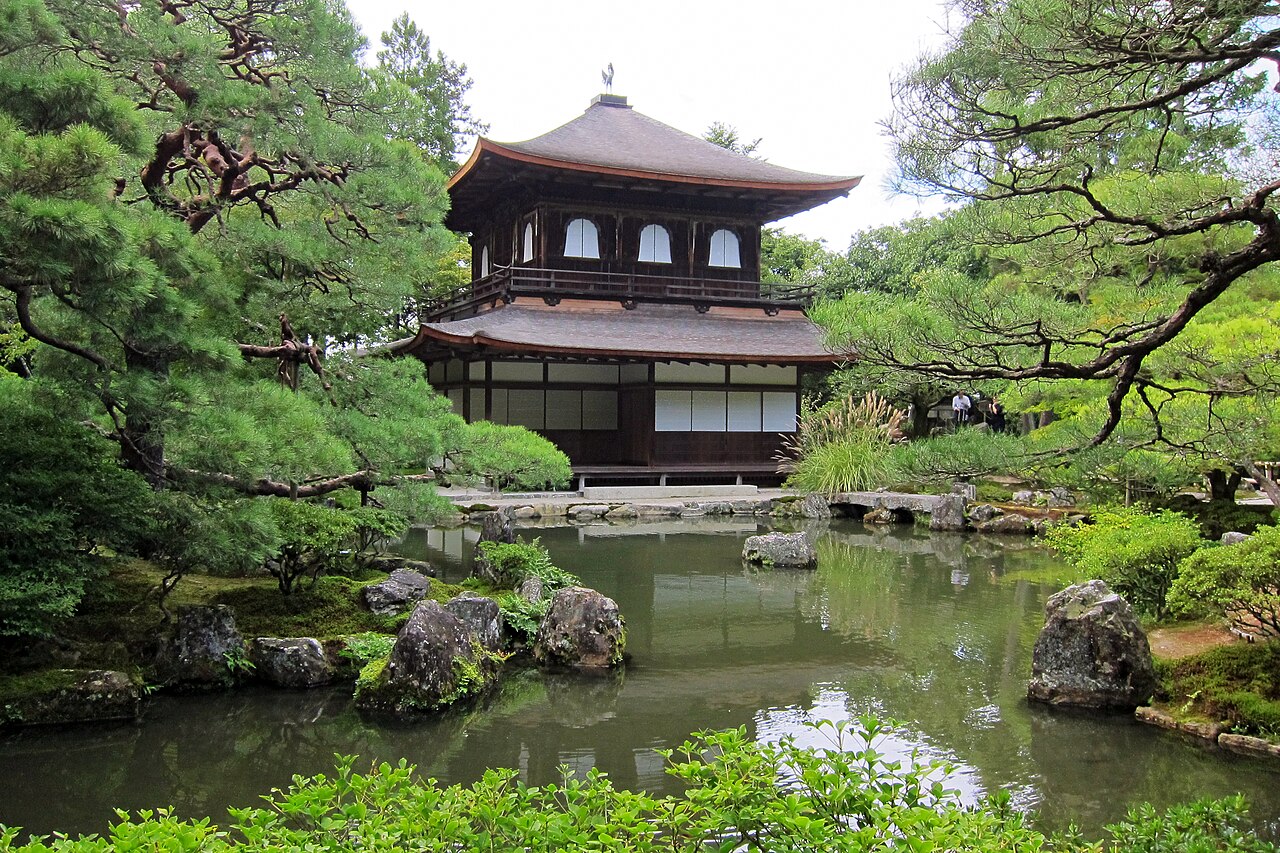 Oilstreet · Source · CC BY 2.5
Ginkaku-ji — Silver Pavilion
Explore the Silver Pavilion temple setting through a deliberate garden route. Pavilion views, garden paths and any special interior programme need separate expectations.
Explore this place ↗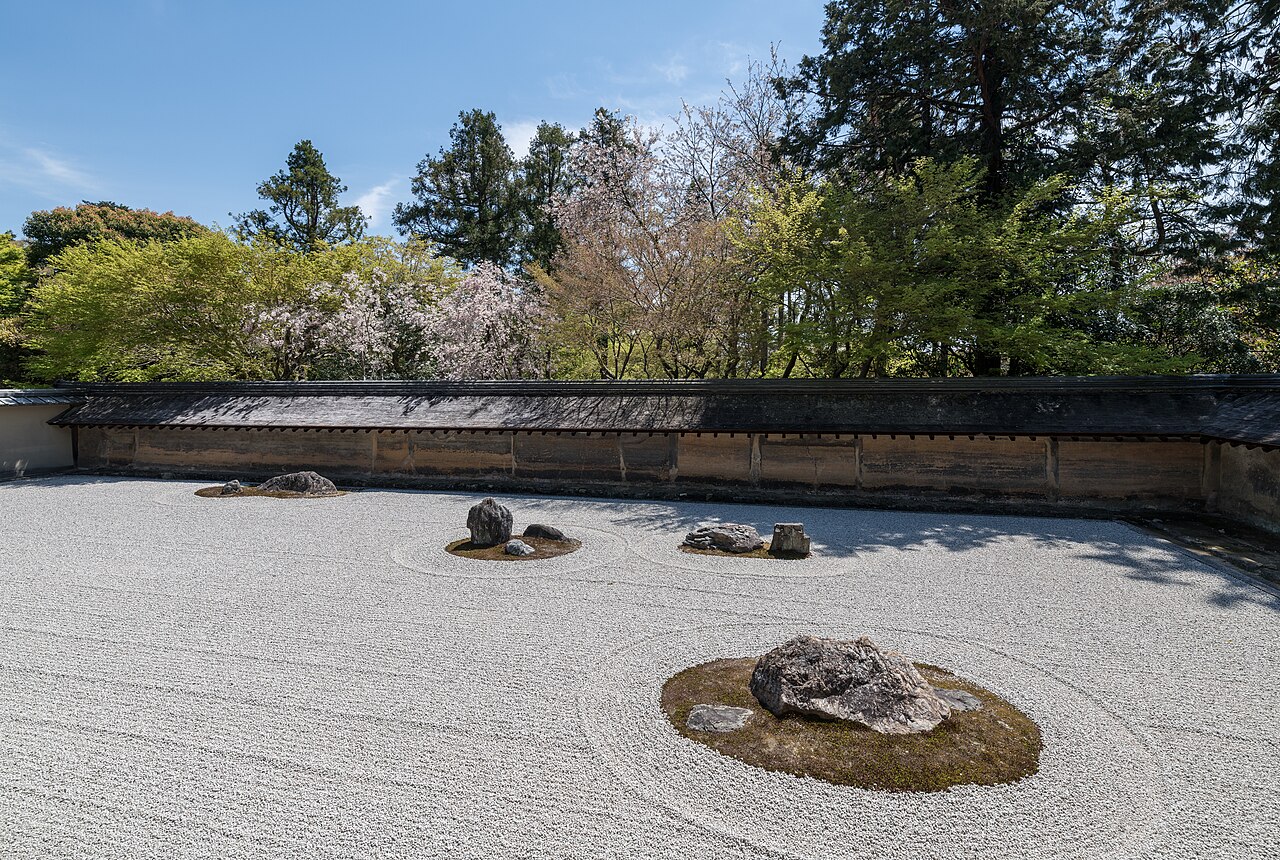 DXR · Source · CC BY-SA 4.0
Ryōan-ji
Choose a contemplative temple visit with time for the dry-landscape garden. Check current access, opening and the exact route before travelling.
Explore this place ↗No places match.
Plan by area and actual visitor route
Fushimi Inari is a southern-city shrine outing; Kiyomizu-dera offers an eastern temple setting; Kinkaku-ji needs a northern-city approach. Choose one main priority, a meal and the actual return connection.
A Kyoto map reference point is not any of these entrances. Check the precise transport stop, final approach, steps and accessibility needs.
A flexible three-day starting plan
Day 1: arrive, settle and keep any local window optional. Day 2: choose one of the three published guides as the main cultural visit; add only a compatible programme that fits the actual calendar and pace.
Day 3: choose another local priority only when departure permits it. A longer Fushimi Inari walk and a complete temple day need their own time; all three sights are not compulsory in every short stay.
Where to stay and how to connect
Compare a Kyoto Station-oriented base for onward travel with a central or eastern-city address for the visits you will repeat. Use the exact property, street, final transport connection and complete room quote.
A Tokyo–Kyoto journey requires the actual rail ticket, station, luggage arrangements and accommodation change. Treat that as travel time rather than assuming a full sightseeing day at both ends.
Respect, weather and access
Follow worship, photography and managed-route instructions. No flowering date, clear view or quiet time is guaranteed by a seasonal photograph.
Check the institution’s current programme and the precise accessible route needed. Broader Japan country chapters and additional Kyoto attractions remain in preparation.
Palace and temple choices in this edition
Nijo Castle requires attention to the chosen palace product: Honmaru needs advance reservation, and general castle entry does not establish access to every interior. Ginkaku-ji and Ryoan-ji offer separate garden-led temple experiences.
Consider a northern temple pairing only if the real route, opening and pace fit. Keep Ginkaku-ji and Kiyomizu-dera as distinct eastern-city stages rather than assuming every temple is adjacent.