 CYGURU
In photographs 1 Photograph
Documented photographs from different dates. Open an image to browse the gallery and its original source.
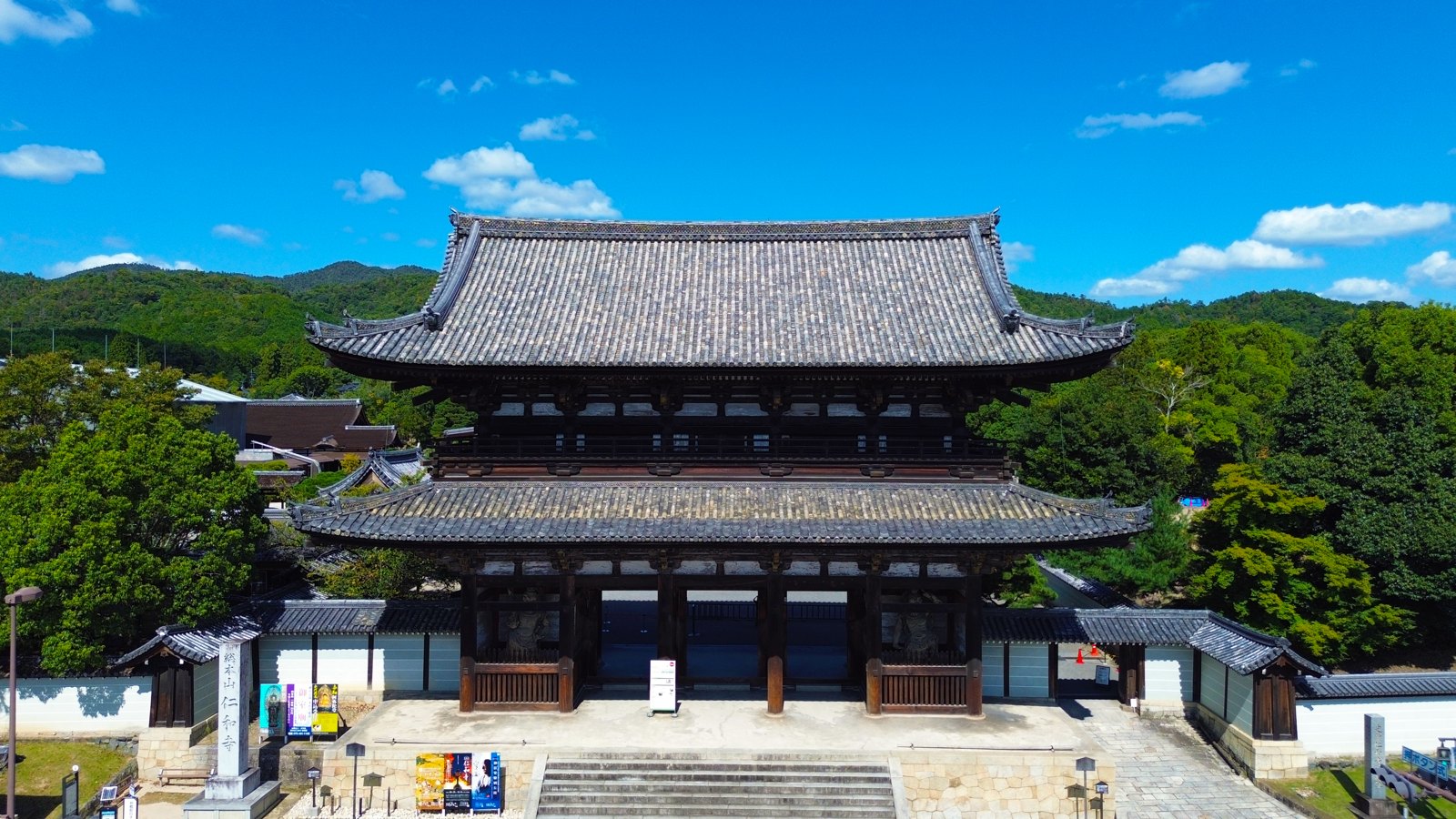 Enlarge photo ↗

In this guide · 6 sections
A temple with imperial connections
Founded in 888, Ninna-ji has a history closely connected with the imperial family. The grounds reward attention to the relationship between formal approaches, temple buildings and the residence-like spaces of the Goten.
Choose whether architecture, garden views or the temple’s history matters most to you. A deliberate visit to one part of the complex is more useful than treating every building as a quick exterior photograph.
Grounds and paid areas differ
The official information distinguishes the grounds from separately charged areas such as the Goten and Reihokan. Seasonal arrangements can change what is accessible and how admission is organised.
The treasury is not a year-round promise. Check the current opening calendar and the exact ticket before travelling for a particular display or special interior.
Plan around actual blossom conditions
Ninna-ji is associated with the late-flowering Omuro cherries. Their timing should be checked through current local information; a historic photograph or a general Kyoto blossom forecast cannot guarantee the display.
The temple encourages public transport during the busy blossom period. Build in time for the final approach and accept that a quiet courtyard cannot be reserved by arriving at a presumed ideal hour.
A northwest Kyoto pairing
Ryōan-ji is a possible second cultural priority within a northwest Kyoto plan. Check the actual transfer, opening windows and walking demands before combining them; do not turn the wider temple circuit into a compulsory checklist.
Leave Kiyomizu-dera and the eastern districts for a separate day if time is short. In My Trip, note which Ninna-ji paid area you intend to visit so that the budget matches your interests.
Plan the actual visit
Check opening, admission, access needs and the correct entrance with the official visitor source. Historical photographs do not establish current conditions.
Visitor information ↗Find on a map ↗