 CYGURU
In photographs 3 Photographs
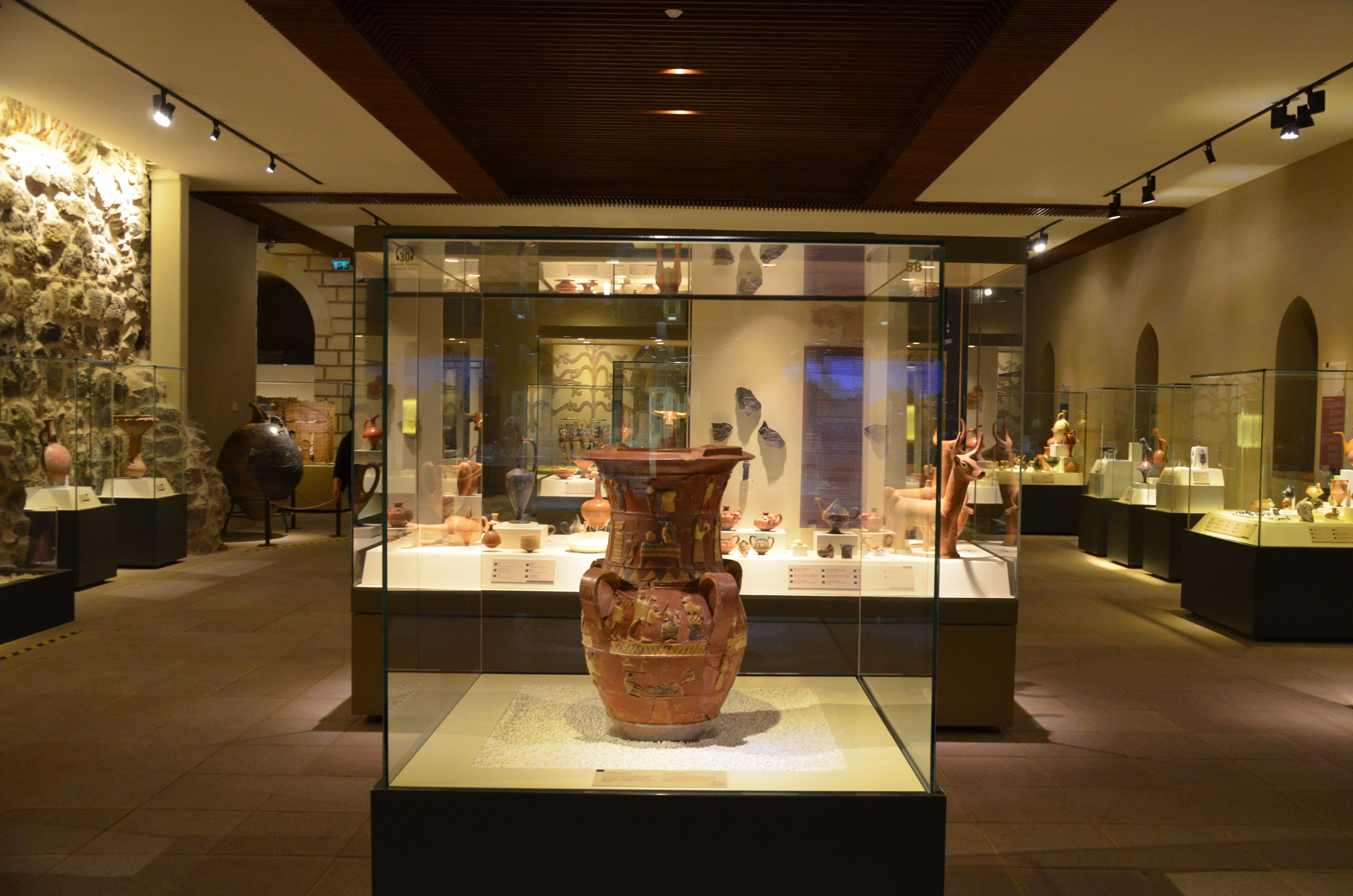
Documented photographs from different dates. Open an image to browse the gallery and its original source.
 Enlarge photo ↗

 Enlarge photo ↗

 Enlarge photo ↗

Official notice reviewed 7 November 2026: Ankara Hall and Classical Hall closed for maintenance 14 September 2026–2 March 2027. Recheck the affected galleries, admission and last entry before travelling. Historical photos do not confirm current display access.
Museum directorate: historic buildings and collections ↗
In this guide · 6 sections
Check the temporary gallery closure first
The official museum listing reviewed on 7 November 2026 announces that the Ankara Hall and Classical Hall are closed for maintenance from 14 September 2026 to 2 March 2027. This is a dated closure notice for named galleries, not an announcement that the entire museum is closed.
Before making a journey around a particular collection, check the listing again and ask which galleries are accessible. Do not infer from a historical photograph that the same objects, cases or rooms can be seen today. Build your priorities around the confirmed open circuit.
Follow Anatolia through changing societies
The museum describes a chronological arrangement covering prehistoric periods and later Anatolian cultures, including Assyrian trading colonies, Hittite, Phrygian and Urartian material. Its collection offers a way to compare different periods without travelling between all their archaeological sites.
Editorial viewing suggestion: select two or three periods instead of attempting to absorb every case. Compare how people made objects, recorded information or represented authority. Read the excavation location and date on the label before treating visually similar objects as evidence of the same community.
Notice the museum buildings as well as the objects
The museum directorate identifies its historic premises as Mahmut Paşa Bedesteni and Kurşunlu Han, two adapted Ottoman buildings near the citadel. The architectural setting is part of the experience, alongside the archaeological material displayed within it.
Editorial approach: pause between groups of objects to look at the enclosing space, light and circulation. Keep the date of an ancient object separate from the date of the building housing it. This distinction helps make sense of a museum whose collections and architecture belong to very different historical layers.
Plan a focused museum visit in Ankara
The official listing gives Gözcü Sokak No. 2 in Ulus as the museum address and distinguishes ticket-office closure from building closure. Confirm the current admission conditions and final entry before arrival, particularly if you are planning around the end of the day.
Editorial planning advice: give the museum its own time rather than using it as a rushed stop before Anıtkabir. They are separate venues with separate arrival arrangements. Ask directly about the accessible gallery circuit if assistance is needed; the Ankara map is a locality reference, not the museum entrance.
Plan the actual visit
Check opening, admission, access needs and the correct entrance with the official visitor source. Historical photographs do not establish current conditions.
Visitor information ↗Find on a map ↗