 CYGURU
In photographs 3 Photographs
Documented photographs from different dates. Open an image to browse the gallery and its original source.
 Enlarge photo ↗

 Enlarge photo ↗

 Enlarge photo ↗

In this guide · 6 sections
Understand the elevated setting
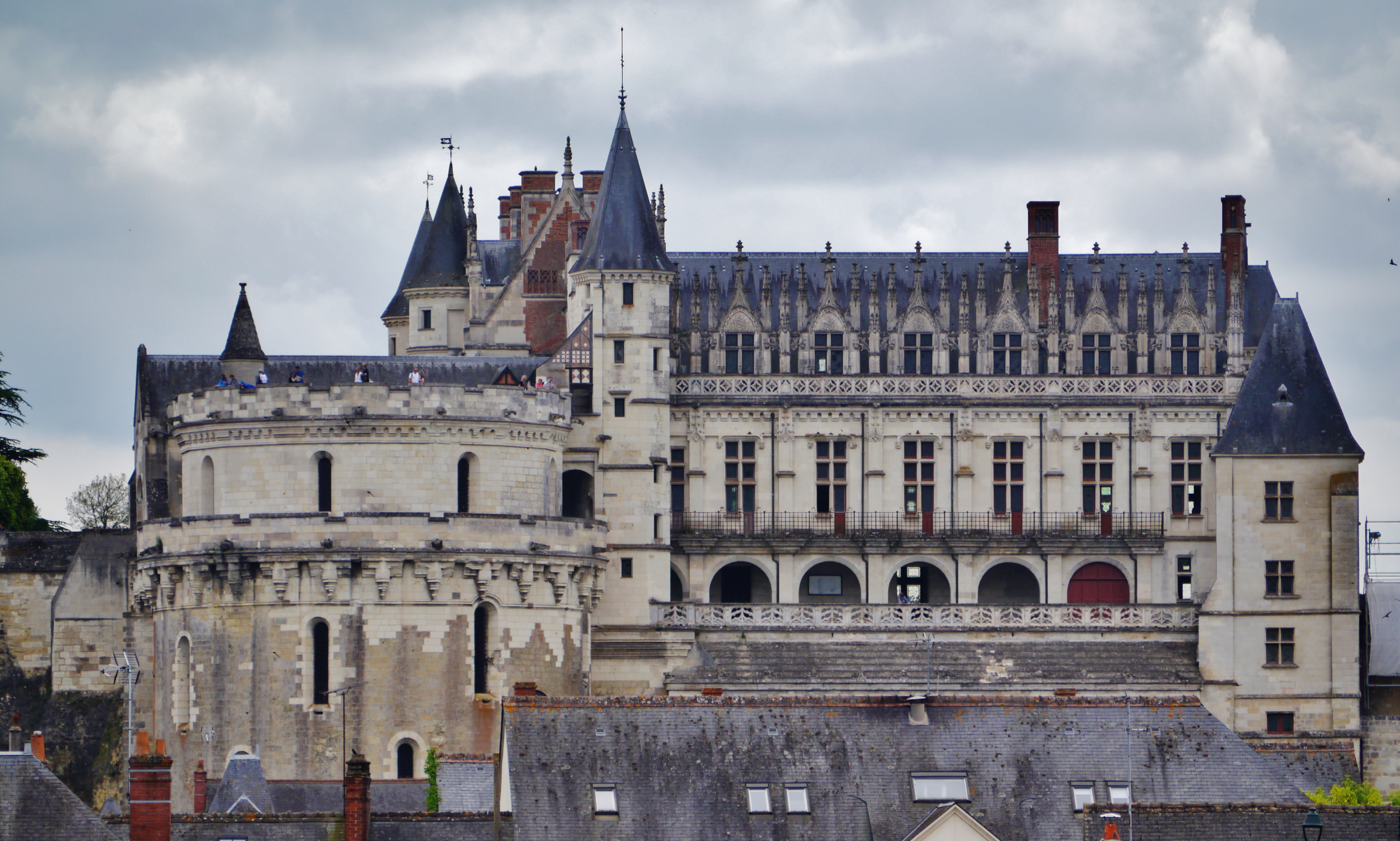
The château describes its position on a rocky promontory overlooking the Loire. Editorial approach: connect the residence and gardens with that wider setting before concentrating on individual rooms.
Exterior photographs document different perspectives on the monument. They do not identify a present-day entrance or establish access to every level.
Use interpretation to slow the visit
The institution offers visitor information and a HistoPad interpretation route covering the residence and Saint-Hubert chapel. Ask what is available during your visit rather than assuming one device per person.
Editorial suggestion: choose a few subjects to explore in depth. Digital reconstructions and surviving architecture offer different evidence and should be understood together.
Arrange accessibility with the château
The operator describes specific arrival and assistance arrangements for visitors with reduced mobility and limitations for some levels. Contact it for the precise route and accompaniment requirements.
Do not navigate to a private access point solely from a general city map. Use the institution’s confirmed directions for the date of your visit.
Keep Clos Lucé a separate decision
The Royal Château and Clos Lucé have separate visitor sources and admission arrangements. Their shared Amboise grouping is geographic, not a combined-ticket claim.
Editorial planning advice: allow a break and the actual connection between the sites if visiting both. No inter-site walking time, ticket capacity or same-day completion is guaranteed here.
Plan the actual visit
Check opening, admission, access needs and the correct entrance with the official visitor source. Historical photographs do not establish current conditions.
Visitor information ↗Find on a map ↗